Connection and Force Transmission
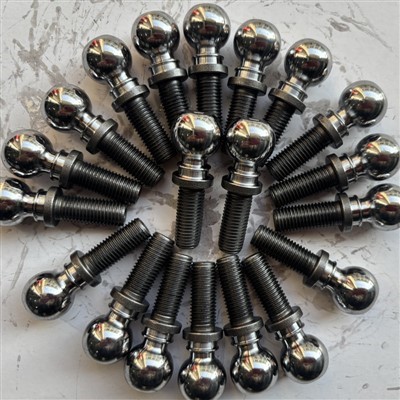
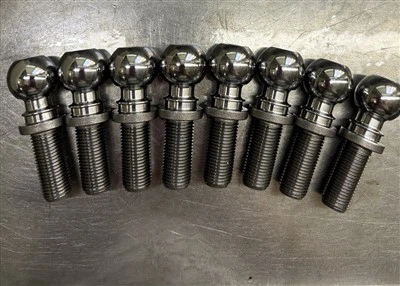
The steering tie rod ball joint connects the suspension system to the sway bar linkages, thereby enabling the effective transmission of forces between the vehicle's suspension and the sway bar. This connection and force transmission serve as the foundation for normal vehicle operation, ensuring that all components work in harmonious coordination.
Ensuring Steering Stability
During vehicle turns, the steering tie rod ball joint bears the steering forces generated by the wheels and transmits them to the steering mechanism. If the ball joint malfunctions, the transmission of these steering forces is compromised, leading to imprecise steering and posing a potential safety hazard. Consequently, the proper functioning of the ball joint is critical to ensuring the stability of the vehicle's steering.
Suppressing Body Roll
When the left and right wheels encounter uneven road surfaces-such as bumps or potholes-the sway bar undergoes torsion, generating an anti-roll resistance that effectively suppresses body roll. In this scenario, the steering tie rod ball joint acts to connect and transmit these forces, thereby ensuring a smooth and stable ride.
Adjusting Wheel Alignment
By adjusting the position of the steering tie rod ball joint, the wheel angles can be altered, thereby allowing for the fine-tuning of the vehicle's directional alignment and steering response. This capability helps the vehicle adapt to varying road conditions and driving requirements, ultimately enhancing the overall driving experience.
In summary, the steering tie rod ball joint is a vital component within the vehicle's steering system, playing a critical role in the vehicle's stability, safety, and handling performance. Therefore, during routine vehicle operation, it is essential to regularly inspect and maintain the steering tie rod ball joints to ensure their continued, proper functioning.