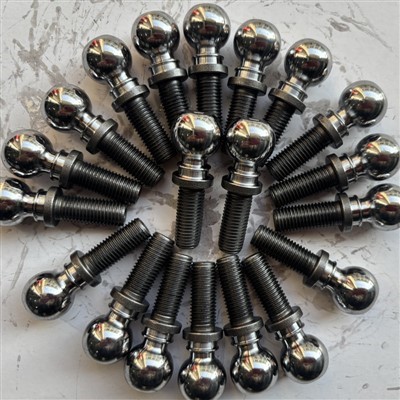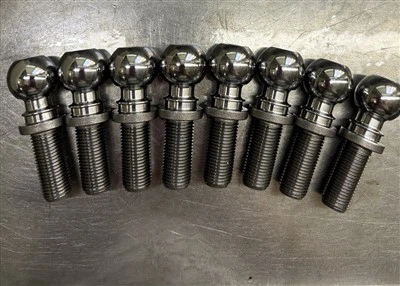
As a critical component of a vehicle's steering system, the proper maintenance of the inner tie rod end directly impacts handling safety and driving stability.
Regular Inspection of Appearance and Condition: During each routine maintenance service, inspect the inner ball joint for cracks, excessive wear, looseness, or a damaged dust boot.
Abnormal Symptoms: If the steering wheel feels loose, the vehicle drifts off course, unusual noises (such as a "clicking" sound) occur during turns, or steering becomes unresponsive, promptly inspect the inner tie rod ends for wear.
Lubrication and Maintenance
Lubrication Interval: It is recommended to perform routine lubrication every 10,000 kilometers, and comprehensive maintenance every 50,000 kilometers or 5 years.
Lubrication Method: The inner ball joint typically features a detachable design, allowing it to be cleaned and then re-lubricated with specialized grease. The use of ordinary engine oil as a substitute is strictly prohibited.
Lubricant Selection: It is mandatory to use specialized ball joint grease to prevent the lubricant from penetrating and damaging the rubber seals.
Dust Boot Protection
The dust boot serves as a critical barrier against the ingress of dust and moisture. If any damage, signs of aging, or cracks are detected, it must be replaced immediately; otherwise, it will accelerate the wear of the inner ball joint.