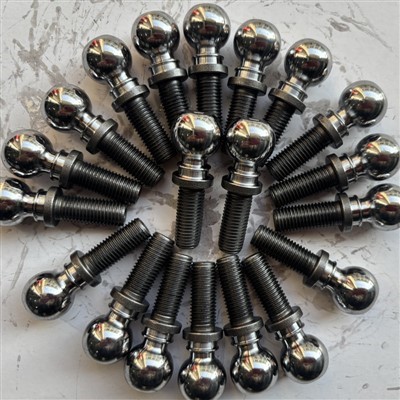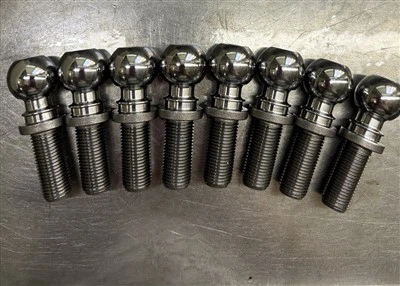
Light trucks operating daily in dense urban delivery fleets face constant mechanical strain, making the reliability of their chassis components a matter of both driver safety and operational profitability. Unlike passenger vehicles that see lighter use, commercial transport relies on precision-engineered links that must transmit substantial steering torque without fail. The market has moved away from multi-part, assembled joints in favor of structural integrity. A superior Steel Ball Joint offers a distinct advantage here, especially when manufactured as a one-piece forged steering link. This forged construction eliminates the common weak points found in welded or modular assemblies, providing the "backbone" strength necessary for connecting the steering gear directly to the steering knuckle. Fleet managers often report that if these critical links fail, the vehicle is immediately sidelined, resulting in lost workdays and expensive emergency repairs. Consequently, the industry focus has shifted toward high-strength metallurgy that resists bending and metal fatigue under high-load conditions. By choosing a forged Steel Ball Joint, owners ensure that their vehicles remain roadworthy even when subjected to the intense, repetitive stresses of daily city navigation and heavy cargo transport, effectively preventing the frustrating downtime that plagues lower-quality aftermarket parts.
Proper maintenance and inspection protocols are essential for getting the most out of your steering system, especially for vehicles that operate near their maximum load capacity every day. Mechanics should integrate a visual check of the steering linkages during every routine oil change or tire rotation. The first sign of trouble often involves subtle play or vibration in the steering wheel, which suggests that the Steel Ball Joint housing may be wearing down. To perform an inspection, raise the front end of the vehicle and apply lateral force to the tire; if there is noticeable movement at the connection point, the component requires immediate attention to avoid catastrophic failure on the road. Replacing these parts requires using high-quality grease to ensure fluid motion and protected movement within the socket, followed by a precise alignment check to prevent uneven tire wear. Fleet owners who demand "worry-free" operation should standardize their replacement schedules based on mileage and the harshness of their primary delivery routes rather than waiting for a complete component collapse. Investing in a premium Steel Ball Joint is not just about purchasing a replacement part; it is about guaranteeing that the vehicle's primary directional link remains robust and responsive. By strictly following these professional installation and inspection steps, you can significantly extend the operational life of your delivery fleet while ensuring that your drivers remain safe and your logistics schedule stays perfectly on track despite the punishing realities of daily commercial use.