The materials used for steering tie rod ball joints vary depending on the specific functional component and the vehicle model; they are primarily categorized into two groups: metal components and non-metal sealing or auxiliary components.
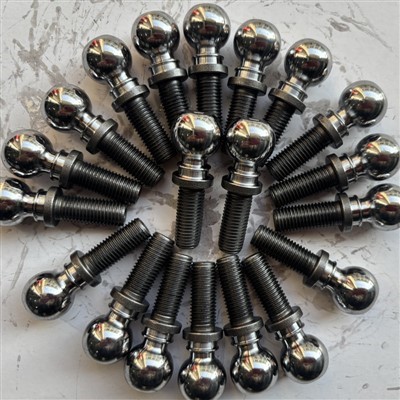
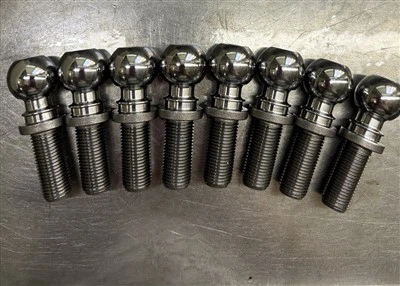
Ball Pin (Ball Stud): Typically manufactured from high-strength alloy steel or high-carbon steel; some high-end products undergo heat treatment or micro-arc oxidation to enhance wear resistance and corrosion resistance.
Ball Seat/Ball Socket: Primarily utilizes alloy structural steel (such as 35CrMo) or cold-forged alloy steel to ensure structural stability under high-load conditions.
Dust Boot: Typically utilizes age-resistant rubber (such as EPDM) or high-elasticity rubber; some products feature a one-piece, co-molded nylon-and-rubber structure.
Internal Bushing/Lubrication Layer: The interior of some ball joints incorporates a Polytetrafluoroethylene (PTFE) bushing or is packed with silicone grease/lithium-based grease to reduce friction and extend service life.
Ball Housing/Ball Joint Assembly Casing: Commonly made from precision-cast steel or high-strength alloys, though some economy-class vehicle models may utilize ductile iron.