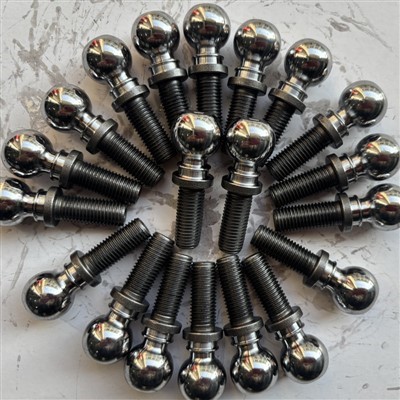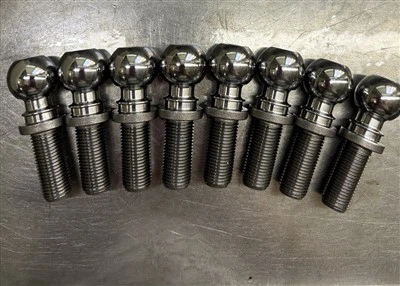

An Outer Track Rod End Ball Joint is a small steering and suspension part, but it has a direct effect on vehicle handling, cornering response, and tire wear. It connects the steering linkage to the wheel assembly and allows controlled movement while keeping the front end aligned during driving. In daily use, drivers usually notice its condition through looseness in the steering wheel, uneven tire wear, knocking sounds over bumps, or reduced stability when changing direction. When choosing a replacement, buyers should not look only at size. Material strength, ball pin hardness, dust boot quality, sealing design, and anti-corrosion coating all matter because these details determine how well the joint performs in mud, rain, winter salt, and rough roads. During installation, it is important to confirm thread compatibility, tighten the nut to the correct torque, and complete a wheel alignment afterward. Even a high-quality part can wear quickly if alignment is ignored. In recent years, more buyers have also started paying attention to grease retention and sealing structure, because longer lubrication life means more stable steering performance over time.
When comparing parts, an Outer Track Rod End Ball Joint is often judged against lower-cost aftermarket versions that may look similar at first glance but differ in internal machining accuracy and durability. A better part usually offers tighter ball stud fit, smoother articulation, stronger dust protection, and more consistent coating quality. In real road conditions, that difference becomes clear when the vehicle is driven over potholes, wet roads, or uneven surfaces for long periods. Another useful point is application matching. Passenger cars, light commercial vehicles, and performance-oriented models may require different joint strength and articulation angles, so matching the part to the actual vehicle platform is essential. Market demand has also moved toward better fatigue resistance and longer salt-spray performance, especially for export and cold-region use. A simple maintenance habit helps extend service life: inspect the rubber boot regularly, check for free play during routine service, and replace worn parts before they affect tire wear or steering safety. Good steering starts with stable joint quality.