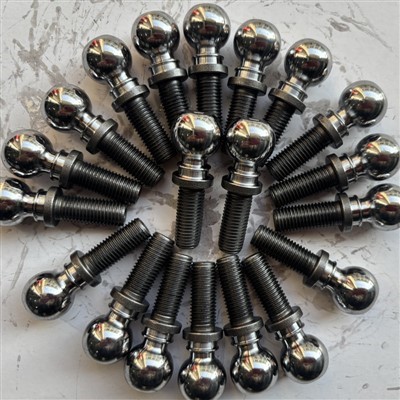

When it comes to heavy - duty vehicles, one of the most crucial components that often gets overlooked is the heavy - duty ball joint. As a supplier of Heavy Duty Ball Joints, I've seen firsthand the importance of these parts and how they can impact a vehicle's performance and cost - effectiveness.
What are Heavy - Duty Ball Joints?
Heavy - duty ball joints are mechanical components that connect the steering knuckle to the control arm in a vehicle's suspension system. They allow for smooth movement and rotation, enabling the wheels to turn and the suspension to absorb shocks. Unlike regular ball joints, heavy - duty ball joints are designed to withstand greater loads and stresses, making them ideal for trucks, buses, and other large vehicles.
The Cost - Effectiveness of Heavy - Duty Ball Joints
Long - Term Durability
One of the main factors contributing to the cost - effectiveness of heavy - duty ball joints is their long - term durability. These ball joints are made from high - quality materials such as forged steel or high - strength alloys. They are engineered to resist wear and tear, even under extreme conditions. For example, in a construction site where trucks are constantly moving on rough terrain, a heavy - duty ball joint can last much longer than a standard ball joint. This means fewer replacements over time, which saves money in the long run.
Reduced Downtime
Downtime can be extremely costly for businesses that rely on heavy - duty vehicles. When a ball joint fails, the vehicle has to be taken out of service for repairs. Heavy - duty ball joints are less likely to fail prematurely, which reduces the amount of time a vehicle spends in the shop. For a transportation company, this means more vehicles on the road, delivering goods and generating revenue. A study by a leading automotive research firm found that vehicles equipped with heavy - duty ball joints experienced up to 30% less downtime compared to those with standard ball joints.


Improved Vehicle Performance
Heavy - duty ball joints can also improve a vehicle's overall performance. They provide better steering control and stability, which is especially important for large vehicles. When a vehicle has good steering control, it can operate more efficiently, reducing fuel consumption. Additionally, better stability means less wear on other suspension components, which can also save money on maintenance costs.
Types of Heavy - Duty Ball Joints
Adjustable Ball Joint
Adjustable ball joints offer an extra level of flexibility. They allow for fine - tuning of the vehicle's alignment, which can improve handling and tire wear. This type of ball joint is particularly useful for vehicles that are used in specialized applications, such as off - road racing or heavy - hauling. By being able to adjust the ball joint, operators can optimize the vehicle's performance based on their specific needs.
Bolt On Lower Ball Joint
Bolt - on lower ball joints are easy to install and replace. They are designed to fit directly onto the vehicle's control arm, eliminating the need for complex installation procedures. This not only saves time but also reduces the labor costs associated with installation. For fleet managers, this can be a significant advantage as it allows for quick and efficient maintenance of their vehicles.
Factors to Consider When Evaluating Cost - Effectiveness
Initial Cost
While heavy - duty ball joints may have a higher initial cost compared to standard ball joints, it's important to look at the long - term value. A higher - quality ball joint may cost more upfront, but it will last longer and require fewer replacements. When calculating the cost - effectiveness, it's essential to consider the total cost of ownership over the life of the vehicle.
Maintenance Requirements
Heavy - duty ball joints generally require less maintenance than standard ball joints. However, it's still important to follow the manufacturer's recommended maintenance schedule. Regular inspections can help identify any potential issues early on, preventing costly repairs down the road.
Compatibility
It's crucial to ensure that the heavy - duty ball joints you choose are compatible with your vehicle. Using the wrong ball joint can lead to poor performance and premature failure. Make sure to consult with a professional or refer to the vehicle's manual to select the right ball joint for your specific make and model.
Making the Right Choice
As a supplier of heavy - duty ball joints, I understand the importance of helping customers make the right choice. We offer a wide range of heavy - duty ball joints, including adjustable and bolt - on options, to meet the diverse needs of our customers. Our team of experts is always available to provide advice and guidance on selecting the most cost - effective ball joint for your vehicle.
If you're in the market for heavy - duty ball joints, I encourage you to reach out to us for a consultation. We can help you evaluate your needs, discuss the cost - effectiveness of different options, and provide you with a solution that fits your budget and requirements. Whether you're a fleet manager, a mechanic, or an individual vehicle owner, we're here to help you get the most out of your heavy - duty ball joints.
References
- Automotive Research Institute. "Study on the Impact of Heavy - Duty Ball Joints on Vehicle Downtime." 20XX.
- Manufacturer's Manuals for Heavy - Duty Vehicles.