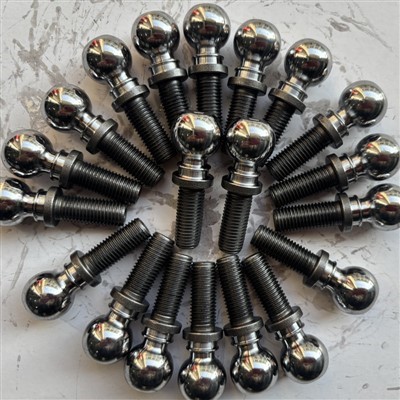

As a supplier of tie rod ends, I often receive questions from customers about how to remove a tie rod end. This process is not overly complicated, but it does require some knowledge and the right tools. In this blog post, I'll walk you through the step - by - step process of removing a tie rod end, providing you with all the information you need to complete the task successfully.
Understanding the Tie Rod End
Before we dive into the removal process, it's important to understand what a tie rod end is and its function. The tie rod end is a crucial component of a vehicle's steering system. It connects the steering rack to the steering knuckle, allowing the wheels to turn in response to the driver's input. Over time, tie rod ends can wear out due to constant movement, exposure to road conditions, and general use. When they start to wear, it can lead to steering problems, uneven tire wear, and even safety issues.
Tools You'll Need
To remove a tie rod end, you'll need the following tools:
- Socket set: You'll need a variety of socket sizes to remove the nuts and bolts.
- Tie rod end puller: This tool is specifically designed to separate the tie rod end from the steering knuckle.
- Wrench: A wrench may be needed to loosen or tighten certain components.
- Jack and jack stands: These are essential for safely lifting and supporting the vehicle.
- Penetrating oil: This can help loosen rusted or stuck parts.
Step - by - Step Removal Process
Step 1: Prepare the Vehicle
First, park your vehicle on a flat, level surface and engage the parking brake. If you're working on the front wheels, turn the steering wheel to the left or right to gain better access to the tie rod end. Then, use a jack to lift the front end of the vehicle and secure it with jack stands. Make sure the vehicle is stable before proceeding.
Step 2: Locate the Tie Rod End
The tie rod end is located near the steering knuckle. It has a ball joint at one end and is connected to the steering rack at the other. You may need to clean the area around the tie rod end to get a better view of it.
Step 3: Loosen the Lock Nut
Most tie rod ends have a lock nut that secures the adjustment sleeve. Use a socket or wrench to loosen this lock nut. Be careful not to turn the adjustment sleeve while you're loosening the lock nut, as this can affect the steering alignment.
Step 4: Remove the Cotter Pin
The tie rod end is typically secured to the steering knuckle with a cotter pin. Use a pair of pliers to remove the cotter pin. Once the cotter pin is removed, you can remove the castle nut that holds the tie rod end to the steering knuckle.
Step 5: Separate the Tie Rod End from the Steering Knuckle
This is where the tie rod end puller comes in. Place the puller around the tie rod end and the steering knuckle. Tighten the puller until the tie rod end separates from the steering knuckle. If the tie rod end is stuck, you can apply some penetrating oil and let it sit for a few minutes to help loosen it.


Step 6: Remove the Tie Rod End from the Steering Rack
Now that the tie rod end is separated from the steering knuckle, you can remove it from the steering rack. Use a socket or wrench to loosen the nut that connects the tie rod end to the steering rack. Once the nut is removed, you can pull the tie rod end out.
Additional Considerations
- Alignment: After removing the tie rod end, it's important to have the vehicle's steering alignment checked and adjusted. This ensures that the wheels are properly aligned, which can improve handling and prevent uneven tire wear.
- Inspection: While you have the tie rod end removed, take the time to inspect it for signs of wear or damage. If the tie rod end is worn beyond repair, it should be replaced with a new one.
Our Tie Rod End Products
As a supplier of tie rod ends, we offer a wide range of high - quality products to meet your needs. Our Racing Ball Joints are designed for high - performance applications, providing enhanced durability and precision. If you're looking for adjustability, our Adjustable Ball Joint allows you to fine - tune your steering setup. And for those in need of a reliable inner tie rod end, our Bottom Ball Joint Car is a great choice.
Contact Us for Purchasing
If you're in the market for tie rod ends or have any questions about our products, we'd love to hear from you. Our team of experts is ready to assist you with your purchase and provide you with the best solutions for your vehicle. Whether you're a professional mechanic or a DIY enthusiast, we can help you find the right tie rod end for your needs.
References
- Automotive Repair Manuals: Various automotive repair manuals provide detailed information on tie rod end removal and replacement.
- Online Automotive Forums: These forums are a great source of information and advice from other automotive enthusiasts and professionals.