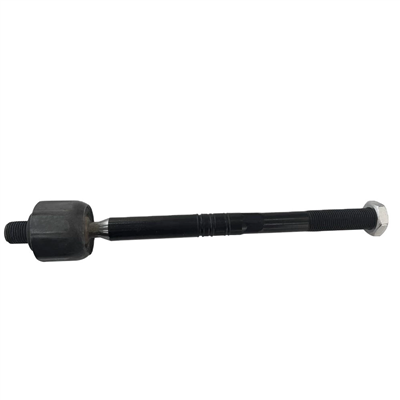

As a provider of Bottom Ball Joint Car components, I've witnessed firsthand how the quality of a bottom ball joint can significantly impact a car's performance. In this blog, I'll delve into the technical details and practical implications of this crucial automotive part.
The Role of Bottom Ball Joints in a Car's Suspension System
The bottom ball joint is a vital component of a car's suspension system. It connects the control arm to the steering knuckle, allowing for smooth movement and articulation. This connection is essential for maintaining proper wheel alignment and handling. When the bottom ball joint is in good condition, it provides a stable platform for the wheel, ensuring that it moves in a controlled manner as the car travels over various road surfaces.
A high - quality bottom ball joint is designed to withstand the forces generated during normal driving, including acceleration, braking, and cornering. It is made from durable materials such as forged steel or high - strength alloys, which can resist wear and tear over time. The joint is also engineered to have a precise fit, which reduces play and ensures that the wheel is held firmly in place.
Impact on Steering and Handling
One of the most significant ways that the quality of a bottom ball joint affects a car's performance is in its steering and handling. A worn or low - quality bottom ball joint can cause a variety of steering problems. For example, it may introduce excessive play in the steering system, making the steering feel loose and unresponsive. This can make it difficult for the driver to control the car, especially at high speeds or when making sharp turns.
In addition, a faulty bottom ball joint can lead to uneven tire wear. When the joint is not functioning properly, the wheel may not be aligned correctly, causing the tires to wear unevenly. This not only reduces the lifespan of the tires but also affects the car's handling and stability. Uneven tire wear can make the car pull to one side, which can be dangerous, especially on wet or slippery roads.


Impact on Ride Comfort
The quality of the bottom ball joint also has a direct impact on ride comfort. A high - quality joint can absorb the shocks and vibrations caused by road irregularities, providing a smooth and comfortable ride. It does this by allowing the wheel to move up and down independently of the car's body, reducing the amount of jolting and shaking that the passengers feel.
On the other hand, a worn or low - quality bottom ball joint may not be able to absorb these shocks effectively. This can result in a rough and bumpy ride, which can be uncomfortable for the passengers. Over time, the constant jolting can also cause damage to other components of the car, such as the suspension and the body.
Safety Considerations
Safety is another crucial aspect that is affected by the quality of the bottom ball joint. A failing bottom ball joint can pose a serious safety risk. If the joint fails completely, the wheel may separate from the car, which can lead to a loss of control and a potentially serious accident. Even a partially worn joint can affect the car's handling and stability, increasing the risk of an accident.
Regular inspection and maintenance of the bottom ball joint are essential for ensuring the safety of the car. Drivers should be aware of the signs of a worn ball joint, such as a knocking or clunking sound when going over bumps, uneven tire wear, or a pulling sensation while driving. If any of these symptoms are present, it is important to have the ball joint checked and replaced if necessary.
Our Bottom Ball Joint Car Products
As a supplier of Bottom Ball Joint Car components, we take pride in offering high - quality products that meet or exceed industry standards. Our bottom ball joints are made from the finest materials and are manufactured using advanced techniques to ensure durability and performance.
We understand the importance of a reliable bottom ball joint for a car's performance and safety. That's why we invest heavily in research and development to continuously improve our products. Our team of experts is constantly working to develop new and innovative solutions to meet the evolving needs of the automotive industry.
In addition to our bottom ball joints, we also offer a range of related products, such as Inner Tie Rod Joint and Offside Suspension Arm Ball Joint. These products are designed to work together to provide a comprehensive solution for your car's suspension system.
Why Choose Our Products
There are several reasons why you should choose our Bottom Ball Joint Car products. Firstly, our products are of the highest quality. We use only the best materials and the most advanced manufacturing processes to ensure that our products are reliable and long - lasting.
Secondly, we offer excellent customer service. Our team of experts is always available to answer your questions and provide you with technical support. We are committed to ensuring that you are satisfied with your purchase and that you get the best possible performance from our products.
Finally, we offer competitive pricing. We understand that cost is an important factor for many customers, and we strive to offer our products at a price that is affordable without compromising on quality.
Contact Us for Procurement
If you are interested in purchasing our bottom ball joints or other automotive components, we encourage you to contact us for procurement. Our team will be happy to discuss your specific needs and provide you with a detailed quote. We are committed to providing you with the best possible products and services, and we look forward to working with you.
References
- Bosch Automotive Handbook.
- SAE International Technical Papers.
- Chilton's Automotive Repair Manual.