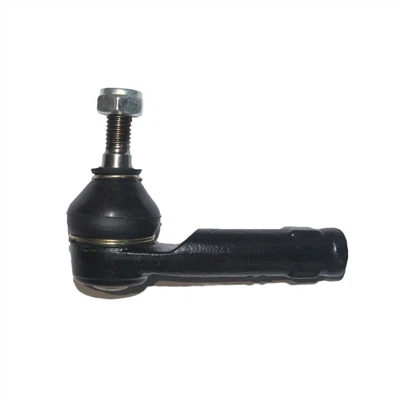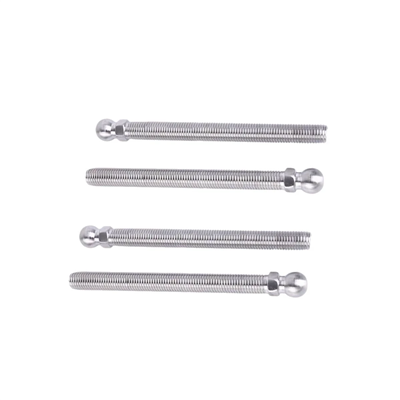

When it comes to enhancing a vehicle's handling and stability, anti-roll ball joints play a crucial role. As a leading supplier of anti-roll ball joints, I've encountered numerous inquiries regarding the installation process, especially in certain vehicles. In this blog, we'll delve into the special installation instructions for anti-roll ball joints in specific vehicles and provide valuable insights for a successful installation.
Understanding Anti Roll Ball Joints
Anti-roll ball joints are essential components of a vehicle's suspension system. They connect the anti-roll bar (also known as the sway bar) to the suspension components, allowing for smooth movement and transfer of forces. By reducing body roll during cornering, these ball joints improve the vehicle's stability and handling, providing a safer and more comfortable driving experience.
General Installation Steps
Before we discuss the special installation instructions for certain vehicles, let's go over the general steps for installing anti-roll ball joints:
- Prepare the Vehicle: Park the vehicle on a level surface and engage the parking brake. If necessary, use jack stands to support the vehicle securely.
- Locate the Anti-Roll Bar: Identify the anti-roll bar and its connection points to the suspension components. This may require removing some components, such as the wheel or the undercarriage shield, to access the ball joints.
- Remove the Old Ball Joints: Use appropriate tools, such as a socket wrench or a ball joint separator, to remove the old ball joints from the anti-roll bar and the suspension components. Be careful not to damage the surrounding parts.
- Inspect the Components: Before installing the new ball joints, inspect the anti-roll bar and the suspension components for any signs of damage or wear. Replace any damaged parts as necessary.
- Install the New Ball Joints: Apply a small amount of grease to the ball joint sockets and insert the new ball joints into the anti-roll bar and the suspension components. Use the appropriate tools to tighten the bolts to the recommended torque specifications.
- Reassemble the Vehicle: Once the new ball joints are installed, reassemble the vehicle by replacing any components that were removed during the installation process. Make sure all bolts are tightened to the recommended torque specifications.
- Test the Vehicle: After the installation is complete, test the vehicle by driving it on a smooth road. Pay attention to the handling and stability of the vehicle, and make any necessary adjustments.
Special Installation Instructions for Certain Vehicles
While the general installation steps apply to most vehicles, some vehicles may require special installation instructions due to their unique design or configuration. Here are some examples of vehicles that may require special installation instructions for anti-roll ball joints:
- High-Performance Vehicles: High-performance vehicles often have more complex suspension systems and may require special tools or techniques to install the anti-roll ball joints. For example, some high-performance vehicles may have adjustable anti-roll bars that require precise adjustment to achieve the desired handling characteristics.
- Off-Road Vehicles: Off-road vehicles are designed to handle rough terrain and may have different suspension requirements than regular vehicles. Anti-roll ball joints for off-road vehicles may need to be more durable and resistant to damage. Additionally, some off-road vehicles may have a different mounting configuration for the anti-roll bar, which may require special installation instructions.
- Electric Vehicles: Electric vehicles have different weight distribution and handling characteristics than traditional gasoline-powered vehicles. Anti-roll ball joints for electric vehicles may need to be designed to accommodate these differences. Additionally, some electric vehicles may have a different mounting configuration for the anti-roll bar, which may require special installation instructions.
Importance of Following Special Installation Instructions
Following the special installation instructions for anti-roll ball joints in certain vehicles is crucial for ensuring the proper functioning of the suspension system and the safety of the vehicle. Failure to follow the instructions may result in improper installation, which can lead to premature wear and tear of the ball joints, reduced handling and stability, and even safety hazards.
Where to Find Special Installation Instructions
If you're unsure whether your vehicle requires special installation instructions for anti-roll ball joints, you can consult the vehicle's owner's manual or contact the vehicle manufacturer. Additionally, as a supplier of anti-roll ball joints, we can provide you with detailed installation instructions and technical support for our products.
Our Anti Roll Ball Joint Products
At our company, we offer a wide range of anti-roll ball joints for various vehicles, including Front Anti Roll Bar Ball Joint, Offside Front Anti Roll Bar Ball Joint, and Nearside Front Anti Roll Bar Ball Joint. Our products are made from high-quality materials and are designed to meet or exceed the original equipment specifications. We also offer a warranty on our products to ensure your satisfaction.


Contact Us for Procurement
If you're interested in purchasing anti-roll ball joints for your vehicle, we encourage you to contact us for procurement. Our team of experts can help you select the right products for your vehicle and provide you with detailed installation instructions and technical support. We're committed to providing our customers with the highest quality products and services at competitive prices.
References
- Vehicle Owner's Manuals
- Automotive Repair Manuals
- Manufacturer's Technical Bulletins