
What is the maximum load capacity of an adjustable lower ball joint?
As a supplier of Adjustable Lower Ball Joints, I often encounter questions from customers regarding the maximum load capacity of these crucial automotive components. Understanding the maximum load capacity of an adjustable lower ball joint is essential for ensuring the safety, performance, and longevity of vehicles. In this blog post, I will delve into the factors that determine the maximum load capacity of an adjustable lower ball joint, its significance, and how it impacts vehicle operation.
Factors Affecting the Maximum Load Capacity
The maximum load capacity of an adjustable lower ball joint is influenced by several key factors, each playing a vital role in determining its ability to withstand various forces and stresses.
Material Quality: The quality of the materials used in the construction of the ball joint is a primary determinant of its load - bearing capacity. High - strength alloys, such as chrome - molybdenum steel, are commonly used due to their excellent strength, durability, and resistance to wear and fatigue. These materials can withstand higher loads without deformation or failure, ensuring reliable performance under demanding conditions.
Design and Geometry: The design and geometry of the ball joint also significantly affect its load capacity. A well - designed ball joint will distribute the load evenly across its components, reducing stress concentrations and minimizing the risk of premature failure. Features such as the size of the ball and socket, the shape of the housing, and the angle of the joint can all impact its ability to handle loads.
Lubrication: Proper lubrication is crucial for maintaining the performance and load - bearing capacity of an adjustable lower ball joint. Lubricants reduce friction between the moving parts, preventing excessive wear and heat generation. High - quality lubricants with good anti - wear and anti - corrosion properties can enhance the joint's ability to withstand heavy loads and extend its service life.
Manufacturing Process: The manufacturing process used to produce the ball joint can have a significant impact on its load capacity. Precision manufacturing techniques, such as forging and machining, ensure that the components are made to exact specifications, resulting in a more reliable and durable product. Quality control measures during the manufacturing process also help to identify and eliminate any potential defects that could compromise the joint's load - bearing ability.
Significance of Maximum Load Capacity
The maximum load capacity of an adjustable lower ball joint is of utmost importance for several reasons.
Safety: In a vehicle, the lower ball joint plays a critical role in supporting the weight of the vehicle and transmitting forces between the suspension system and the wheels. A ball joint with insufficient load capacity may fail under heavy loads, leading to loss of control and potentially causing accidents. Therefore, ensuring that the ball joint can handle the expected loads is essential for the safety of the vehicle and its occupants.
Performance: A ball joint with a high load capacity can provide better handling and stability. It can effectively absorb and distribute the forces generated during acceleration, braking, and cornering, allowing the vehicle to perform optimally. This is particularly important for high - performance vehicles or those used in demanding applications, such as off - road driving.
Longevity: By choosing a ball joint with an appropriate load capacity, you can extend the lifespan of the component. A ball joint that is not overloaded will experience less wear and tear, reducing the need for frequent replacements and saving on maintenance costs in the long run.
How to Determine the Appropriate Load Capacity
When selecting an adjustable lower ball joint, it is important to consider the specific requirements of your vehicle. The following steps can help you determine the appropriate load capacity:
Vehicle Type and Use: Different vehicles have different load requirements. For example, a heavy - duty truck will require a ball joint with a higher load capacity than a compact car. Consider the weight of the vehicle, the type of driving conditions it will be subjected to (such as city driving, highway driving, or off - road use), and any additional loads, such as towing or carrying heavy cargo.


Manufacturer's Specifications: Refer to the vehicle manufacturer's specifications for the recommended load capacity of the lower ball joint. These specifications are based on extensive testing and engineering analysis and provide a reliable guideline for selecting the appropriate ball joint.
Consult with an Expert: If you are unsure about the load capacity requirements for your vehicle, it is advisable to consult with a professional mechanic or an automotive engineer. They can provide valuable insights and recommendations based on their expertise and experience.
Our Adjustable Lower Ball Joints
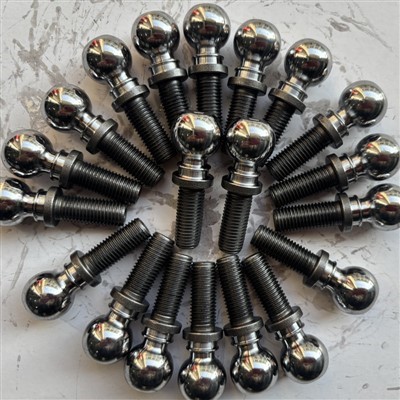
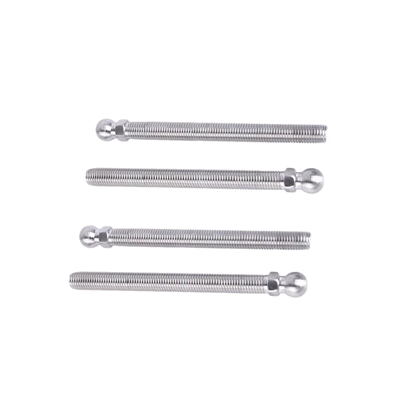
As a leading supplier of Adjustable Lower Ball Joint, we offer a wide range of products designed to meet the diverse needs of our customers. Our ball joints are manufactured using high - quality materials and advanced manufacturing techniques, ensuring superior performance and reliability.
We understand the importance of load capacity in automotive applications, and our ball joints are engineered to withstand high loads and provide long - lasting service. Whether you are looking for a ball joint for a passenger car, a commercial vehicle, or an off - road vehicle, we have the right product for you.
In addition to Adjustable Lower Ball Joint, we also offer related products such as Bottom Ball Joint Car and Bottom Arm Ball Joint. Our comprehensive product range allows you to find all the components you need for your vehicle's suspension system in one place.
Contact Us for Purchase and Negotiation
If you are interested in purchasing our adjustable lower ball joints or have any questions about their load capacity or other aspects, we encourage you to get in touch with us. Our team of experts is ready to assist you in selecting the right product for your needs and to provide you with detailed information about our products and services.
By choosing our adjustable lower ball joints, you can be confident that you are getting a high - quality product that meets or exceeds industry standards. We are committed to providing our customers with the best possible solutions and ensuring their satisfaction.
References
- SAE International. (20XX). Vehicle Suspension System Design and Analysis.
- Automotive Engineers Handbook. (20XX). McGraw - Hill.
- Manufacturer's specifications for various vehicles.