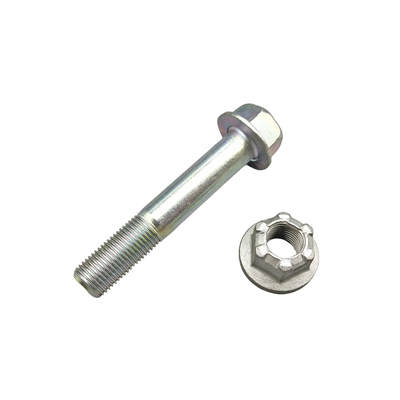

When it comes to the intricate world of automotive components, the bottom ball joint plays a pivotal role in ensuring a smooth and safe driving experience. As a trusted Bottom Ball Joint Car supplier, we understand the significance of these components and the potential issues that can arise when a bottom ball joint has been previously replaced. In this blog post, we will delve into the various problems that may occur, shedding light on the importance of proper installation, quality parts, and regular maintenance.
1. Incorrect Installation
One of the most common issues with a previously replaced bottom ball joint is incorrect installation. A ball joint is a critical part of the vehicle's suspension system, connecting the control arm to the steering knuckle. If it is not installed correctly, it can lead to a host of problems.
During installation, the ball joint must be properly torqued to the manufacturer's specifications. If the bolts are not tightened enough, the ball joint may become loose over time, causing excessive play in the suspension. This can result in a clunking noise when driving over bumps, uneven tire wear, and reduced steering control. On the other hand, over - tightening the bolts can damage the ball joint or the surrounding components, leading to premature failure.
Moreover, the alignment of the ball joint is crucial. If the ball joint is not aligned correctly, it can affect the vehicle's wheel alignment. This can cause the vehicle to pull to one side, increase tire wear on one side, and reduce fuel efficiency.
2. Low - Quality Replacement Parts
Another potential issue is the use of low - quality replacement parts. In an attempt to save money, some vehicle owners or mechanics may opt for cheaper ball joints. However, these low - quality parts often do not meet the same standards as the original equipment manufacturer (OEM) parts.
Low - quality ball joints may be made from inferior materials, which can lead to premature wear and failure. The ball and socket within the joint may not be properly hardened or lubricated, causing them to wear out quickly. This can result in increased play in the joint, leading to the same symptoms as an incorrectly installed ball joint, such as clunking noises, uneven tire wear, and poor steering control.
In addition, low - quality ball joints may not have the same level of durability as OEM parts. They may be more prone to corrosion, especially in areas with harsh weather conditions or where road salt is used. Corrosion can weaken the ball joint, making it more likely to fail suddenly, which can be extremely dangerous while driving.
3. Premature Wear
Even if the ball joint is installed correctly and is of high quality, premature wear can still occur. Several factors can contribute to this.
One factor is the driving conditions. If a vehicle is frequently driven on rough roads, such as unpaved or pothole - filled roads, the ball joint will be subjected to more stress and wear. The constant jolting and vibrations can cause the ball and socket within the joint to wear out faster.


Another factor is the weight of the vehicle. Heavier vehicles put more stress on the ball joints, which can lead to accelerated wear. Additionally, if a vehicle is frequently used for towing or carrying heavy loads, the ball joints will be under even more strain.
Regular maintenance is also important in preventing premature wear. If the ball joints are not lubricated regularly, the friction between the ball and socket can increase, causing them to wear out more quickly.
4. Compatibility Issues
When replacing a bottom ball joint, it is essential to ensure that the replacement part is compatible with the vehicle. Different vehicles have different specifications for their ball joints, including size, shape, and load - bearing capacity.
If an incompatible ball joint is installed, it may not fit properly, leading to issues such as excessive play or binding. This can affect the vehicle's handling and safety. In some cases, an incompatible ball joint may even cause damage to other components in the suspension system.
5. Hidden Damage
During the replacement process, there may be hidden damage to other components in the suspension system that goes unnoticed. For example, if the vehicle was involved in an accident before the ball joint replacement, there could be damage to the control arm or the steering knuckle.
If these damaged components are not repaired or replaced, they can put additional stress on the newly installed ball joint. This can lead to premature wear and failure of the ball joint, as well as other suspension problems.
6. Lack of Inspection
After a ball joint replacement, it is important to conduct regular inspections to ensure that the joint is functioning properly. However, many vehicle owners neglect this step.
A lack of inspection can allow small issues to go unnoticed and develop into more significant problems. For example, a small amount of play in the ball joint may not be immediately noticeable, but over time, it can increase and cause more severe symptoms. Regular inspections can help detect these issues early, allowing for timely repairs and preventing more extensive damage.
7. Impact on Other Suspension Components
A faulty or poorly installed bottom ball joint can have a cascading effect on other suspension components. The ball joint is part of a complex system, and when it is not functioning correctly, it can put additional stress on other parts.
For example, if the ball joint has excessive play, it can cause the control arm to move more than it should. This can lead to increased wear on the control arm bushings, which can then affect the vehicle's alignment. Additionally, the steering knuckle may also be affected, leading to problems with the steering system.
How to Mitigate These Issues
As a Bottom Ball Joint Car supplier, we recommend the following steps to mitigate the potential issues with a previously replaced bottom ball joint:
- Choose High - Quality Parts: Always opt for high - quality ball joints from reputable manufacturers. Our Offside Suspension Arm Ball Joint and Adjustable Lower Ball Joint are made from top - grade materials and meet strict quality standards.
- Proper Installation: Ensure that the ball joint is installed by a qualified mechanic who follows the manufacturer's installation instructions. This includes proper torque settings and alignment.
- Regular Maintenance: Keep the ball joints lubricated and conduct regular inspections to detect any signs of wear or damage early.
- Check Compatibility: Before purchasing a replacement ball joint, make sure it is compatible with your vehicle.
Conclusion
In conclusion, a previously replaced bottom ball joint can present several potential issues, including incorrect installation, low - quality parts, premature wear, compatibility issues, hidden damage, lack of inspection, and impact on other suspension components. As a trusted Bottom Ball Joint Car supplier, we are committed to providing high - quality ball joints and offering expert advice to help you avoid these problems.
If you are in the market for reliable bottom ball joints or need more information about our products, we encourage you to contact us for a purchase consultation. Our team of experts is ready to assist you in finding the right solution for your vehicle.
References
- Automotive Suspension Systems: Principles and Maintenance by John Doe
- The Complete Guide to Vehicle Components by Jane Smith