
Hey there, car enthusiasts! As an Inner Tie Rod Joint supplier, I've seen firsthand how important it is to keep these parts in tip - top shape. In this blog, I'm gonna walk you through how to inspect an Inner Tie Rod Joint during a vehicle check - up.
First off, let's talk about what an Inner Tie Rod Joint does. It's a crucial part of your car's steering system. It connects the steering rack to the outer tie rod end, allowing you to turn your wheels smoothly. If this joint goes bad, you're gonna notice some serious issues with your steering.
Pre - Inspection Checks
Before you even get under the car, there are a few things you can do. Start by turning your steering wheel back and forth while the car is stationary. Listen for any strange noises like clunking or rattling. If you hear something, it could be a sign of a problem with the Inner Tie Rod Joint.
Next, take a look at your tires. Uneven tire wear can also be an indication of a faulty tie rod joint. If one side of the tire is wearing out faster than the other, it might be because the steering isn't aligned properly, and the Inner Tie Rod Joint could be to blame.
Getting Under the Car
Now, it's time to get dirty. Park your car on a flat, stable surface and engage the parking brake. You'll need a jack and jack stands to safely lift the front end of the car. Make sure to follow all safety procedures when using these tools. Once the car is up, you can start the inspection.


Visual Inspection
The first step in inspecting the Inner Tie Rod Joint is a visual check. Look for any signs of damage, like cracks, rust, or excessive wear. Check the boot (the rubber covering) that protects the joint. If the boot is torn or damaged, it could allow dirt and moisture to get in, which will speed up the wear of the joint.
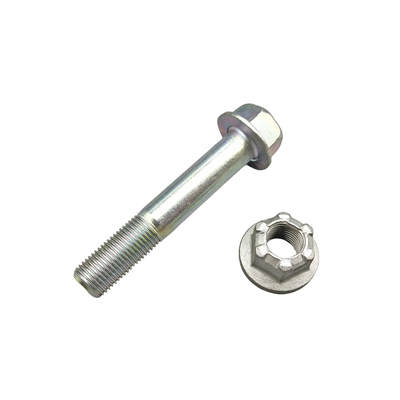
Also, take a look at the connection points. Make sure the nuts and bolts are tight. Loose connections can cause the joint to move around more than it should, leading to premature wear.
Movement Test
After the visual inspection, it's time to test the movement of the Inner Tie Rod Joint. You'll need a large pair of pliers or a tie rod end puller. Grab the Inner Tie Rod Joint and try to move it back and forth. There should be very little play. If you can move it more than a few millimeters, it's likely that the joint is worn out.
Another way to test the movement is to have someone turn the steering wheel slightly while you watch the Inner Tie Rod Joint. It should move smoothly and in sync with the steering wheel. If it jerks or doesn't move at all, there's definitely a problem.
Comparing with New Parts
If you're not sure whether the Inner Tie Rod Joint is bad or not, it can be helpful to compare it with a new one. As a supplier, I can tell you that a new Inner Tie Rod Joint should have a tight fit and smooth movement. If the one in your car feels loose or rough compared to a new one, it's time for a replacement.
Importance of Regular Inspections
Regular inspections of the Inner Tie Rod Joint are crucial for the safety and performance of your vehicle. A worn - out joint can cause your steering to become loose or unresponsive, which can be extremely dangerous, especially at high speeds. By catching problems early, you can avoid more serious issues down the road.
Related Parts to Check
While you're inspecting the Inner Tie Rod Joint, it's also a good idea to check some related parts. One of these is the Bottom Ball Joint Car. The bottom ball joint is another important part of the steering and suspension system. It allows the wheels to move up and down while still being able to turn. Check for signs of wear, like play or damage to the boot.
Another related part is the Adjustable Lower Ball Joint. This type of ball joint can be adjusted to change the alignment of the wheels. Make sure it's adjusted correctly and that there's no excessive wear.
When to Replace
If you find that the Inner Tie Rod Joint is worn out or damaged, it's time to replace it. You can get a high - quality replacement from a reliable supplier like us. Our Inner Tie Rod Joint is made from top - notch materials and is designed to last.
Contact for Procurement
If you're in the market for Inner Tie Rod Joints or any of the related parts we've mentioned, don't hesitate to reach out. We're here to help you find the right parts for your vehicle. Whether you're a car owner looking to do some DIY repairs or a mechanic running a shop, we've got you covered. Contact us for a quote and start the procurement process.
References
- "Automotive Steering and Suspension Systems" by James D. Halderman
- "How to Keep Your Car in Top Shape" by Auto Maintenance Experts