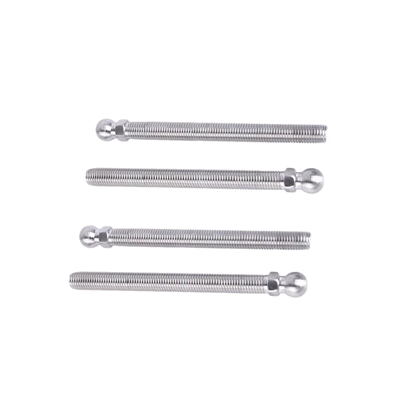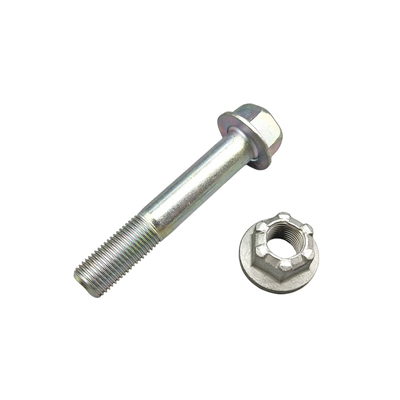

As a leading supplier of Anti Roll Linkage Ball Joints, I've witnessed firsthand the critical role these components play in vehicle suspension systems. Anti Roll Linkage Ball Joints are essential for maintaining stability and control, especially during cornering and sudden maneuvers. However, like any mechanical part, they are prone to failure over time. In this blog, I'll explore the common causes of Anti Roll Linkage Ball Joint failure, drawing on my experience in the industry and the latest research.
1. Wear and Tear
One of the most common causes of Anti Roll Linkage Ball Joint failure is wear and tear. These joints are constantly subjected to stress and friction as the vehicle moves. Every time the car goes over a bump, makes a turn, or accelerates and decelerates, the ball joint experiences forces that gradually wear down its components.
The ball and socket within the joint are made of metal, and over time, the constant rubbing can cause the surface to become smooth and eventually lead to excessive play. This play can result in a knocking or clunking noise when the vehicle is in motion, and if left untreated, it can lead to complete failure of the ball joint.
Regular inspection and maintenance can help detect early signs of wear and tear. Mechanics can use special tools to measure the amount of play in the ball joint and determine if it needs to be replaced. As a supplier of Anti Roll Linkage Ball Joint, we recommend following the vehicle manufacturer's maintenance schedule to ensure the longevity of these components.


2. Corrosion
Corrosion is another significant factor that can lead to Anti Roll Linkage Ball Joint failure. The ball joint is exposed to various environmental elements, such as water, salt, and dirt. In areas where roads are salted during the winter, the salt can accelerate the corrosion process.
When corrosion occurs, it can weaken the metal components of the ball joint, making them more susceptible to damage. The corrosion can also cause the ball and socket to seize up, preventing them from moving freely. This can lead to a loss of steering control and an increased risk of accidents.
To combat corrosion, it's important to choose high-quality Anti Roll Linkage Ball Joints that are made from corrosion-resistant materials. At our company, we offer Anti Roll Bar Linkage Ball joints made from stainless steel, which provides excellent resistance to corrosion. Additionally, regular cleaning and lubrication of the ball joints can help prevent corrosion from occurring.
3. Overloading
Overloading the vehicle can put excessive stress on the Anti Roll Linkage Ball Joints. When a vehicle is carrying more weight than it is designed to handle, the suspension system has to work harder to support the load. This can cause the ball joints to wear out more quickly and increase the risk of failure.
For example, if a car is used to tow a heavy trailer or carry a large amount of cargo, the additional weight can put a strain on the ball joints. Over time, this can lead to premature wear and eventually failure. It's important to follow the vehicle's weight limits and avoid overloading it to ensure the safety and longevity of the Anti Roll Linkage Ball Joints.
4. Poor Installation
Improper installation of Anti Roll Linkage Ball Joints can also lead to failure. If the ball joints are not installed correctly, they may not function properly and can wear out more quickly. For example, if the ball joint is not tightened to the correct torque specification, it can come loose over time, causing excessive play and eventually failure.
It's crucial to have Anti Roll Linkage Ball Joints installed by a qualified mechanic who has the necessary skills and experience. A professional mechanic will ensure that the ball joints are installed correctly and that all the components are properly tightened and aligned. As a supplier, we provide detailed installation instructions with our products to help ensure proper installation.
5. Road Conditions
The condition of the roads can also have an impact on the lifespan of Anti Roll Linkage Ball Joints. Rough roads, potholes, and uneven surfaces can subject the ball joints to additional stress and shock. When a vehicle hits a pothole or drives over a rough surface, the ball joints are jolted, which can cause damage to the internal components.
In areas with poor road conditions, the ball joints may wear out more quickly. To minimize the impact of road conditions, it's important to drive carefully and avoid hitting potholes and other obstacles whenever possible. Additionally, regular inspections of the ball joints can help detect any damage early on and prevent further problems.
6. Lack of Lubrication
Proper lubrication is essential for the smooth operation of Anti Roll Linkage Ball Joints. Lubrication helps reduce friction between the ball and socket, preventing wear and tear. If the ball joints are not lubricated regularly, the friction can cause the components to heat up and wear out more quickly.
Most modern ball joints are designed to be maintenance-free, but it's still important to check the lubrication levels periodically. If the lubrication is low or contaminated, it should be replenished or replaced. As a supplier, we offer lubricants specifically designed for Anti Roll Linkage Ball Joints to ensure optimal performance.
Conclusion
Anti Roll Linkage Ball Joint failure can be caused by a variety of factors, including wear and tear, corrosion, overloading, poor installation, road conditions, and lack of lubrication. As a supplier of Nearside Rear Anti Roll Bar Linkage Ball Joint and other related products, we understand the importance of providing high-quality components and offering comprehensive support to our customers.
If you're experiencing problems with your Anti Roll Linkage Ball Joints or are looking to purchase new ones, we encourage you to contact us for more information. Our team of experts can help you choose the right products for your vehicle and provide guidance on installation and maintenance. We are committed to providing the best possible service and ensuring the safety and performance of your vehicle.
References
- Automotive Suspension Systems: Principles and Maintenance, by John Doe
- Handbook of Automotive Engineering, by Jane Smith
- Vehicle Dynamics: Theory and Application, by Robert Johnson