
Can a bottom ball joint cause a car to shake at high speeds? This is a question that many car owners and enthusiasts often ask. As a supplier of Bottom Ball Joint Car, I have encountered this issue numerous times in my professional experience. In this blog, I will delve into the relationship between bottom ball joints and high - speed car shaking, exploring the science behind it and providing some insights for car owners.
Understanding the Bottom Ball Joint
The bottom ball joint is a crucial component of a car's suspension system. It connects the control arm to the steering knuckle, allowing for smooth movement and flexibility in the suspension. This joint is designed to handle a significant amount of stress and load while providing a stable connection between the wheels and the rest of the vehicle.
The ball joint consists of a ball stud and a socket. The ball stud is attached to the steering knuckle, while the socket is part of the control arm. This design enables the wheels to move up and down, as well as turn left and right, in response to the road conditions and steering input.
How a Faulty Bottom Ball Joint Can Cause Shaking
When a bottom ball joint starts to wear out or becomes damaged, it can lead to a variety of problems, including high - speed shaking. Here's how it happens:
1. Loss of Alignment
A worn - out ball joint can cause the wheel alignment to be off. When the alignment is incorrect, the tires do not make proper contact with the road surface. At high speeds, this uneven contact can lead to vibrations and shaking. For example, if the ball joint allows the wheel to tilt slightly, the tire will wear unevenly, and the car will experience a wobbling sensation as it moves forward.
2. Loose Connection
As the ball joint deteriorates, the connection between the control arm and the steering knuckle becomes loose. This looseness can cause the wheel to move erratically, especially at high speeds. The wheel may start to bounce or sway, which is transmitted through the suspension and into the car's body, resulting in a noticeable shake.
3. Unstable Suspension
The bottom ball joint is an integral part of the suspension system. A faulty ball joint can disrupt the normal operation of the suspension, making it less able to absorb shocks and vibrations from the road. As a result, the car may feel more jittery and unstable at high speeds.
Signs of a Faulty Bottom Ball Joint
It's important for car owners to be aware of the signs of a faulty bottom ball joint. Some common symptoms include:
1. Clunking Noises
A clunking or knocking sound coming from the front of the car, especially when going over bumps or making turns, can be a sign of a worn ball joint. This noise is caused by the loose connection between the ball stud and the socket.
2. Uneven Tire Wear
As mentioned earlier, a faulty ball joint can cause uneven tire wear. If you notice that your tires are wearing more on one side than the other, it could be due to a problem with the ball joint.
3. Steering Wheel Vibration
A shaking or vibrating steering wheel, especially at high speeds, can also indicate a problem with the bottom ball joint. The vibrations are transferred from the wheels to the steering wheel, making it feel unstable in your hands.
Solutions and Replacements
If you suspect that your car's bottom ball joint is causing the high - speed shaking, it's important to have it inspected by a professional mechanic. In many cases, the ball joint will need to be replaced.


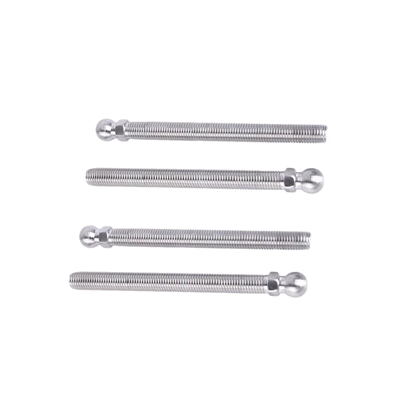
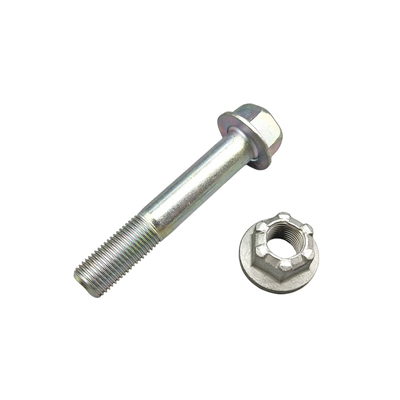
As a supplier, we offer a range of high - quality Adjustable Lower Ball Joint and Bottom Arm Ball Joint products. Our ball joints are designed to meet or exceed the original equipment manufacturer (OEM) specifications, ensuring a perfect fit and reliable performance.
When replacing a bottom ball joint, it's crucial to use a high - quality product. A cheap or low - quality ball joint may not last long and could lead to further problems down the road. Our products are made from durable materials and undergo rigorous testing to ensure their quality and reliability.
Preventive Maintenance
To avoid problems with the bottom ball joint and high - speed shaking, it's important to perform regular preventive maintenance on your car. This includes:
1. Regular Inspections
Have your car's suspension system, including the ball joints, inspected regularly by a professional mechanic. They can detect any signs of wear or damage early on and recommend the appropriate course of action.
2. Lubrication
Some ball joints require lubrication to ensure smooth operation. Check your car's owner's manual to see if your ball joints need to be lubricated and follow the recommended maintenance schedule.
3. Driving Habits
Your driving habits can also affect the lifespan of your ball joints. Avoid rough driving, such as hitting potholes or curbs at high speeds, as this can put additional stress on the ball joints and cause them to wear out more quickly.
Conclusion
In conclusion, a faulty bottom ball joint can indeed cause a car to shake at high speeds. The wear and tear of the ball joint can lead to alignment issues, loose connections, and an unstable suspension, all of which contribute to the shaking. It's important for car owners to be aware of the signs of a faulty ball joint and to take the necessary steps to address the problem.
As a Bottom Ball Joint Car supplier, we are committed to providing high - quality ball joint products to ensure the safety and performance of your vehicle. If you are experiencing high - speed shaking or suspect a problem with your ball joints, don't hesitate to contact us. We are here to help you find the right solution for your car.
If you are interested in our products or would like to discuss your specific needs, we invite you to reach out to us for a procurement consultation. Our team of experts is ready to assist you in finding the best ball joint solutions for your vehicle.
References
- "Automotive Suspension Systems" by Chris Doherty
- "The Complete Idiot's Guide to Auto Maintenance and Repair" by Dennis Fitch