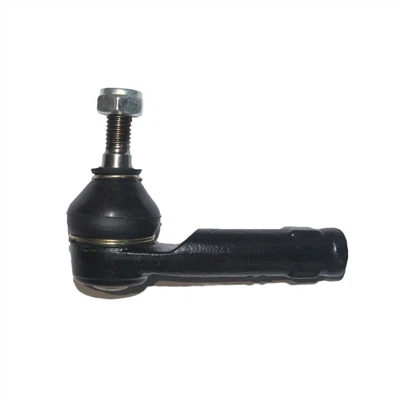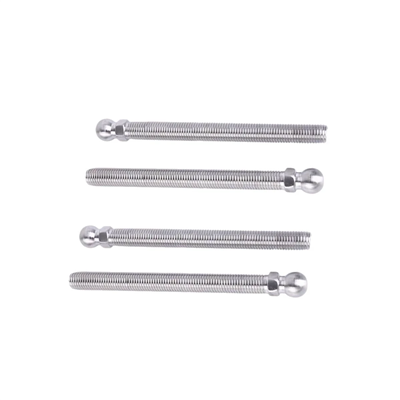

Hey there, fellow car enthusiasts! I'm a supplier of Adjustable Lower Ball Joints, and today I'm gonna share with you how to adjust an adjustable lower ball joint. Whether you're a professional mechanic or a DIYer, this guide will come in handy.
Understanding the Adjustable Lower Ball Joint
First things first, let's talk a bit about what an adjustable lower ball joint is. It's a crucial part of your vehicle's suspension system. The ball joint connects the control arm to the steering knuckle, allowing for smooth movement and flexibility. An adjustable lower ball joint gives you the ability to fine - tune your vehicle's alignment, which can improve handling, tire wear, and overall performance.


If you're looking for a high - quality adjustable lower ball joint, you can check out our Adjustable Lower Ball Joint. It's designed to meet the highest standards and provide long - lasting performance.
Tools You'll Need
Before you start adjusting the lower ball joint, you'll need a few tools. Here's a list:
- Socket set: You'll need various socket sizes to remove and install bolts.
- Wrench: A wrench will be useful for tightening and loosening nuts.
- Torque wrench: This is essential for ensuring that you tighten the bolts to the correct torque specification.
- Ball joint separator: This tool helps to separate the ball joint from the control arm and steering knuckle.
- Alignment tools: You may need a camber gauge, toe gauge, or other alignment tools to check and adjust the alignment.
Step - by - Step Guide to Adjusting the Adjustable Lower Ball Joint
Step 1: Prepare Your Vehicle
Park your vehicle on a flat, level surface and engage the parking brake. Loosen the lug nuts on the wheel that corresponds to the ball joint you're working on, but don't remove them just yet. Then, use a jack to lift the vehicle and place jack stands under the appropriate points to support it safely. Remove the wheel.
Step 2: Locate the Adjustable Lower Ball Joint
The adjustable lower ball joint is usually located on the lower control arm. It's a spherical joint that connects the control arm to the steering knuckle. You'll need to identify the adjustment mechanism on the ball joint. This could be a threaded stud, a locking nut, or some other type of adjustable feature.
Step 3: Remove the Ball Joint from the Control Arm
Use a ball joint separator to separate the ball joint from the control arm. This may require some force, so make sure you're using the tool correctly. Once the ball joint is separated, you can access the adjustment mechanism.
Step 4: Make the Adjustment
Depending on the type of adjustment mechanism, you'll need to turn the threaded stud or loosen/tighten the locking nut. If you're adjusting for camber (the vertical tilt of the wheel), you'll turn the adjustable part of the ball joint to change the angle. If you're adjusting for toe (the angle at which the wheels point in or out), you'll make a different adjustment.
It's important to make small adjustments at a time and then check the alignment. You can use alignment tools to measure the camber and toe angles. For example, a camber gauge can give you an accurate reading of the wheel's vertical tilt.
Step 5: Re - install the Ball Joint
Once you've made the necessary adjustments, re - install the ball joint onto the control arm. Make sure it's properly seated and then tighten the bolts to the correct torque specification using a torque wrench. This is crucial to ensure the safety and proper functioning of the ball joint.
Step 6: Check the Alignment Again
After re - installing the ball joint, check the alignment one more time to make sure everything is within the correct specifications. If necessary, make further adjustments until the alignment is perfect.
Step 7: Re - install the Wheel
Once you're satisfied with the alignment, re - install the wheel and tighten the lug nuts. Lower the vehicle from the jack stands and then use a torque wrench to re - check the lug nut torque.
Common Issues and Troubleshooting
Sometimes, you may encounter some issues when adjusting the adjustable lower ball joint. Here are a few common problems and how to solve them:
Stuck Adjustment Mechanism
If the adjustment mechanism is stuck, you can try using a penetrating oil to loosen it. Let the oil sit for a few minutes and then try to turn the adjustment part again. If it's still stuck, you may need to use a little more force, but be careful not to damage the ball joint.
Incorrect Alignment
If you're having trouble getting the alignment correct, double - check your measurements and make sure you're making the adjustments in the right direction. You may also want to consult a professional mechanic or use more advanced alignment equipment.
Other Related Products
In addition to the adjustable lower ball joint, we also offer other related products such as Offside Suspension Arm Ball Joint and Bottom Ball Joint Car. These products are designed to work together to provide a complete suspension solution for your vehicle.
Why Choose Our Adjustable Lower Ball Joints
Our adjustable lower ball joints are made from high - quality materials, ensuring durability and reliability. They're designed to be easy to adjust, so you can fine - tune your vehicle's alignment with ease. Plus, we offer excellent customer support, so if you have any questions or need help with installation or adjustment, we're here to assist you.
Contact Us for Purchase
If you're interested in purchasing our adjustable lower ball joints or any of our other products, we'd love to hear from you. Whether you're a mechanic looking to stock up on quality parts or a DIYer working on your own vehicle, we can provide you with the products you need. Reach out to us to start a purchase negotiation and get the best deals on our top - notch suspension components.
References
- Automotive Repair Manuals
- Suspension System Guides