
Where is the anti - roll bar ball joint located in a vehicle?
As a trusted supplier of anti-roll bar ball joints, I often get asked about the exact location of these crucial components in a vehicle. Understanding where the anti-roll bar ball joint is located is essential for vehicle maintenance, repair, and performance optimization. In this blog post, I'll provide a detailed explanation of the location of anti-roll bar ball joints and their significance in a vehicle's suspension system.
The Role of Anti-Roll Bar Ball Joints
Before delving into their location, it's important to understand the function of anti-roll bar ball joints. Anti-roll bars, also known as sway bars, are an integral part of a vehicle's suspension system. Their primary purpose is to reduce body roll during cornering, ensuring better stability and handling. The ball joints in the anti-roll bar assembly play a vital role in connecting the anti-roll bar to other suspension components, allowing for smooth movement and articulation.
Location of Anti-Roll Bar Ball Joints
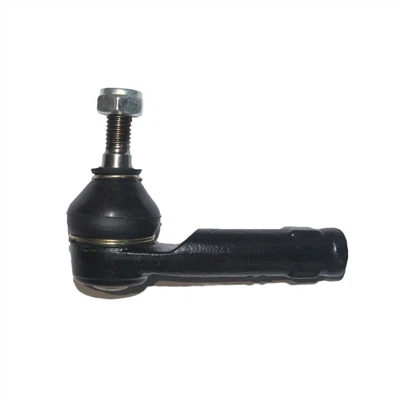
The anti-roll bar ball joints are typically located at the ends of the anti-roll bar. These joints serve as a connection point between the anti-roll bar and the suspension components, such as the control arms or the struts. The exact location can vary depending on the vehicle's make, model, and suspension design.
Front Suspension
In the front suspension, the anti-roll bar ball joints are usually found on either side of the vehicle, near the front wheels. They are connected to the anti-roll bar and the lower control arms or the struts. The ball joints allow the anti-roll bar to pivot and transfer forces between the left and right sides of the vehicle, helping to reduce body roll during cornering.
For example, in a typical front-wheel-drive vehicle, the Offside Front Anti Roll Bar Ball Joint is located on the right side of the vehicle, while the nearside front anti-roll bar ball joint is on the left side. These joints are crucial for maintaining proper alignment and handling characteristics of the front suspension.
Rear Suspension
In the rear suspension, the anti-roll bar ball joints are also located at the ends of the anti-roll bar. They are connected to the rear control arms or the trailing arms. Similar to the front suspension, the ball joints in the rear allow the anti-roll bar to move and transfer forces, improving the vehicle's stability and handling during cornering.
For instance, the Nearside Rear Anti Roll Bar Linkage Ball Joint is located on the left side of the rear suspension, while the offside rear anti-roll bar ball joint is on the right side. These joints play a significant role in ensuring that the rear wheels maintain proper contact with the road surface, especially during high-speed maneuvers.
Importance of Proper Location and Function
The correct location and proper functioning of anti-roll bar ball joints are crucial for the overall performance and safety of a vehicle. If the ball joints are not located correctly or are worn out, it can lead to a variety of problems, including increased body roll, poor handling, and uneven tire wear.
When the anti-roll bar ball joints are in the right position and functioning properly, they help to distribute the forces evenly across the suspension system. This ensures that the vehicle remains stable and predictable during cornering, reducing the risk of rollovers and improving overall driving safety.
Signs of Worn Anti-Roll Bar Ball Joints
It's important to be aware of the signs of worn anti-roll bar ball joints. Some common symptoms include:
- Clunking or rattling noises: If you hear clunking or rattling noises while driving over bumps or during cornering, it could be a sign of worn ball joints.
- Excessive body roll: A significant increase in body roll during cornering may indicate that the anti-roll bar ball joints are not functioning properly.
- Uneven tire wear: Worn ball joints can cause uneven tire wear, as the suspension system may not be able to maintain proper alignment.
- Poor handling: If the vehicle feels unstable or difficult to control, especially during high-speed maneuvers, it could be due to worn anti-roll bar ball joints.
If you notice any of these signs, it's important to have your vehicle inspected by a qualified mechanic. They can diagnose the problem and recommend the appropriate repairs or replacements.
Our Anti-Roll Bar Ball Joint Products
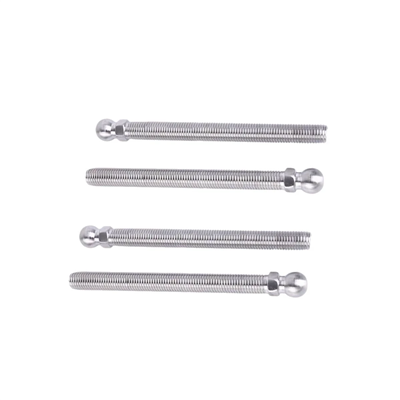
As a leading supplier of anti-roll bar ball joints, we offer a wide range of high-quality products to meet the needs of different vehicles. Our Anti Roll Linkage Ball Joint is designed to provide superior performance and durability.
Our ball joints are made from high-quality materials, such as stainless steel, to ensure long-lasting performance. They are precision-engineered to meet or exceed OEM specifications, providing a perfect fit and reliable operation. Whether you need a front or rear anti-roll bar ball joint, we have the right product for your vehicle.
Contact Us for Procurement
If you're in the market for anti-roll bar ball joints, we invite you to contact us for procurement. Our team of experts is ready to assist you in finding the right product for your vehicle. We offer competitive prices, fast shipping, and excellent customer service.
Whether you're a professional mechanic, a car enthusiast, or a vehicle owner, we can provide you with the high-quality anti-roll bar ball joints you need. Don't hesitate to reach out to us to discuss your requirements and start the procurement process.


References
- Automotive Engineering Handbook, various editions
- Vehicle Suspension Systems: Design, Analysis, and Optimization, by John Crolla
- Modern Automotive Technology, by James D. Halderman